
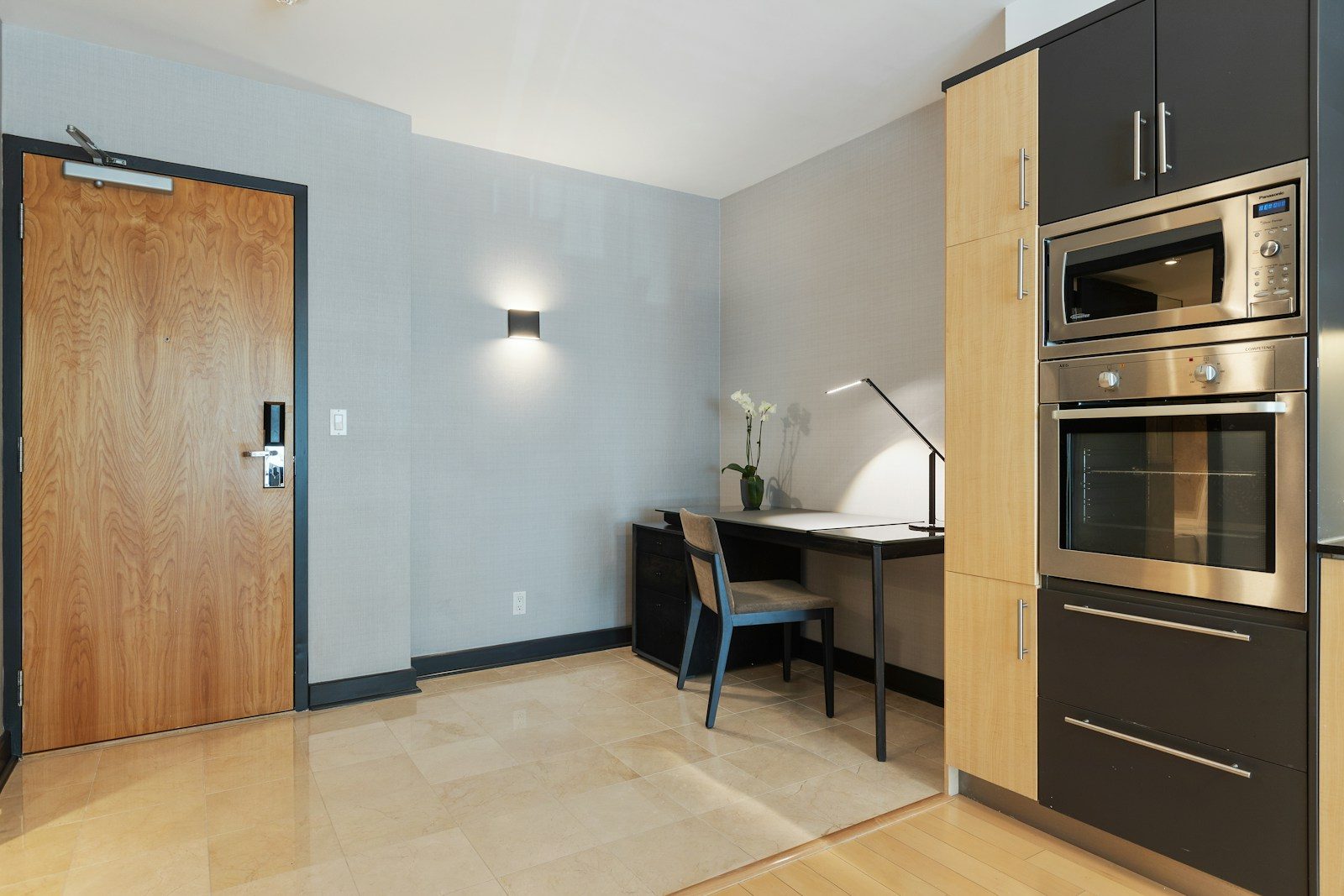
A desktop appraisal, sometimes called a remote or drive-by alternative depending on the specific method used, produces a valuation without the physical inspection a traditional full appraisal requires. Understanding precisely what this approach omits clarifies why figures derived this way sometimes diverge meaningfully from those produced through direct physical evaluation.
What a Full Appraisal Actually Involves
A traditional appraisal includes a complete physical walkthrough, direct observation of interior condition, verification of square footage through actual measurement, and firsthand assessment of any repair needs, upgrades, or defects that would not be visible from public records or exterior photographs alone.
This physical inspection allows an appraiser to verify claims made in property listings, identify discrepancies between recorded and actual conditions, and account for interior features, finished basement space, renovated kitchens, outdated systems, that no remote evaluation method can reliably capture.
What a Desktop Evaluation Relies Upon Instead
A desktop appraisal draws from public records, prior listing photographs, tax assessor data, and comparable sales information, constructing a valuation without any direct physical presence at the property itself. This approach depends entirely on the accuracy and currency of available data, which varies considerably depending on how recently the property was previously photographed, listed, or assessed.
Satellite imagery and street-view photography sometimes supplement this process, providing some exterior verification, though these sources cannot substitute for interior inspection and often reflect conditions from months or years before the current evaluation.
Where This Approach Introduces the Most Risk
Interior condition represents the most significant blind spot in any desktop evaluation. A property that appears well-maintained from exterior photographs and public records may harbor interior issues, water damage, outdated systems, deferred maintenance, entirely invisible to an evaluation method lacking physical inspection.
Recent renovations similarly escape detection through this method unless specifically documented and disclosed, meaning a property recently updated may be undervalued through a desktop approach that has no way of knowing about improvements made since the last available photographs or records were generated.
Why Buyers Sometimes Rely on This Method Regardless
Desktop evaluations move considerably faster than full physical appraisals, sometimes producing a figure within hours rather than the days a scheduling and inspection process typically requires. This speed advantage makes the approach attractive for preliminary evaluations, particularly when a buyer needs a rapid initial figure before committing resources to a more thorough physical assessment.
Some buyers use desktop evaluations specifically as a preliminary step, planning to follow with an in-person walkthrough before finalizing any actual offer, treating the desktop figure as a rough starting point rather than a final determination of value.
How Seasonal Factors Compound This Uncertainty
Seasonal timing affects comparable sales data availability and relevance, and this effect compounds particularly severely for desktop evaluations, which depend entirely on the currency and completeness of available comparable sales data without any physical inspection to compensate for gaps or seasonal distortions in that data.
What This Means for a Homeowner Receiving a Desktop-Based Offer
A homeowner receiving an offer derived primarily from desktop evaluation should understand that figure represents a preliminary estimate rather than a final, thoroughly verified determination. Requesting confirmation of whether an in-person walkthrough will follow, and how much the resulting offer might change based on that additional inspection, provides important context before treating any desktop-derived figure as final.
Evaluating Whether This Method Serves Your Interests
A desktop evaluation offers speed at the cost of accuracy, a tradeoff that may serve a homeowner well when preliminary information is genuinely all that is needed, but one that warrants a follow-up physical evaluation before any final decision, ensuring the property’s actual condition, including any features or issues invisible to remote evaluation, receives proper consideration in the final figure.


Leave a Reply