
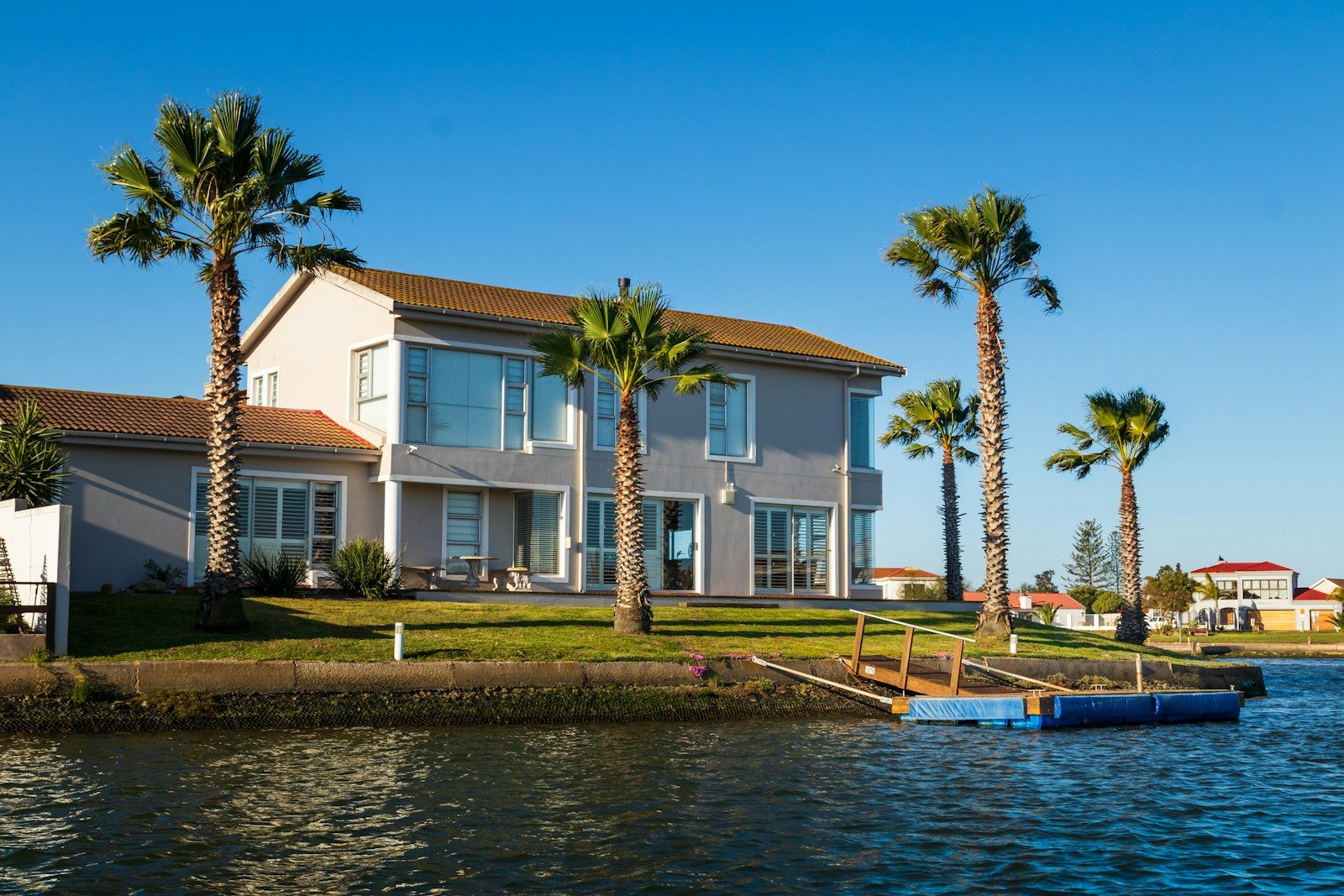
A vacation property purchased with genuine enthusiasm and regular use in earlier years sometimes gradually transitions into a rarely visited obligation, continuing to generate real costs while providing diminishing actual enjoyment relative to what it once offered.
Why Vacation Home Usage Often Declines Over Time
Changing family circumstances, children growing older and developing their own separate interests and schedules, career demands intensifying, or simply evolving personal preferences regarding how leisure time gets spent, can all gradually reduce how frequently a vacation property that once saw regular, enthusiastic use actually gets visited.
This decline often happens gradually enough that owners do not fully register the shift until reviewing an actual calendar or expense record reveals just how infrequently the property has genuinely been used relative to its considerable ongoing costs, a realization that sometimes arrives as a genuine surprise.
The Real Costs of Continued Ownership
Beyond mortgage payments if any balance remains, property taxes, insurance, and regular maintenance continue regardless of actual usage frequency, and vacation properties in certain areas sometimes carry higher insurance costs specifically due to their unoccupied status for extended periods throughout much of the year.
Properties in extreme climates or disaster-prone areas often require particular ongoing attention, winterization, hurricane preparation, wildfire mitigation, adding further cost and complexity precisely because these properties sit unattended for extended stretches without anyone present to notice and address problems as they first develop.
Why This Financial Reality Deserves Honest Assessment
Calculating actual annual cost per visit, total yearly expenses divided by the number of actual visits made, often produces a genuinely sobering figure, sometimes revealing that renting equivalent accommodations for those same visits would have cost considerably less than maintaining year-round ownership of an underused property.
This calculation, however uncomfortable, provides genuinely useful information for making a clear-eyed decision, replacing a vague sense that the property “might get more use eventually” with a concrete, honest picture of its actual recent usage pattern and corresponding true cost.
The Emotional Attachment Worth Acknowledging
Vacation properties often carry considerable emotional significance beyond pure financial calculation, memories of family trips, milestone celebrations, a place that once represented genuine escape and connection, and this attachment deserves honest acknowledgment rather than being dismissed purely as an obstacle standing in the way of an obviously rational financial decision.
Owners benefit from separating the genuine emotional value the property once provided from the question of whether continued ownership still makes sense today, recognizing that cherishing past memories does not actually require continuing to own the specific physical property where they occurred.
Options Beyond an Outright Sale
Renting the property out, whether through a property management company or short-term rental platforms, offers one alternative to selling, potentially offsetting some carrying costs, though this approach introduces its own management burden and complexity that many owners find they genuinely do not want to take on.
For owners who have already found the maintenance and management burden of infrequent personal use genuinely tiresome, adding rental management responsibilities on top of that existing burden often does not represent a genuine improvement, sometimes simply trading one kind of hassle for another without truly solving the core underlying problem.
Why Selling Often Provides the Cleanest Resolution
A direct sale converts an underused, cost-generating asset into liquid funds that can support whatever the owner’s current priorities actually are, whether that means other financial goals, different travel experiences without the burden of property ownership, or simply relief from an ongoing obligation that no longer provides proportionate genuine value.
A cash sale’s predictable, considerably faster timeline often suits a vacation property particularly well, since these properties sometimes sit in markets with fewer active buyers than a primary residence market might offer, making a traditional listing’s timeline potentially even less certain than usual for this specific property type.
How This Connects to Broader Life Transitions
Selling a home after your kids graduate college often prompts this same kind of broader property reassessment, since parents reconsidering their primary residence at this life stage frequently benefit from examining their entire property portfolio together, rather than evaluating each individual property in complete isolation from their other holdings.
Making a Clear-Eyed Decision
An honest look at actual usage patterns and true ongoing costs, weighed thoughtfully against genuine emotional attachment, helps an owner reach a decision about a vacation property they can feel genuinely settled and confident about, whatever that decision ultimately turns out to be.

Leave a Reply